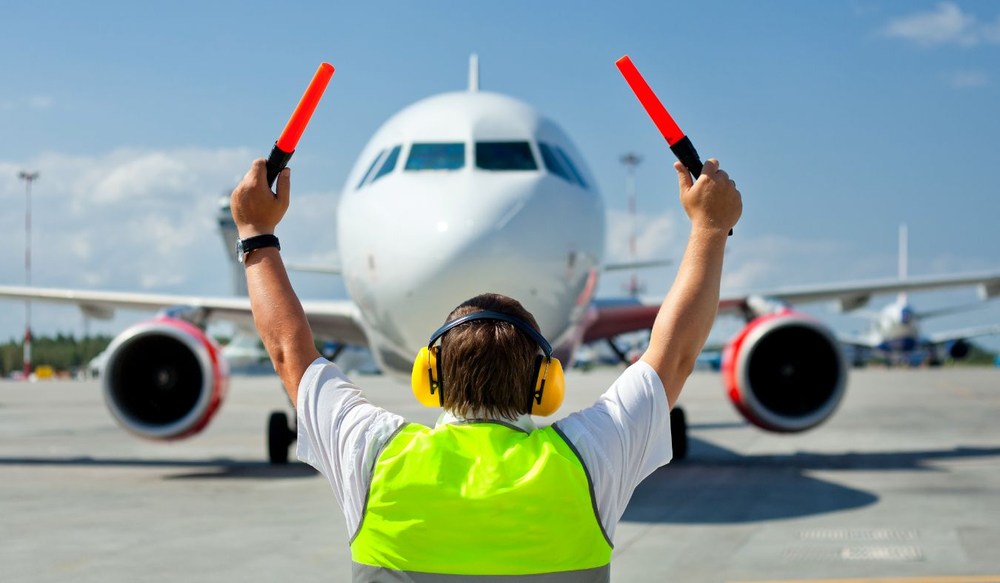
In Southern California, it’s easy to spend a day around amplified sound without thinking much about it. You might start at a community event in the valley and end the evening at a festival in the mountains.
Live music, outdoor speakers and large crowds are common at many local gatherings. By the end of the day, you’ve often spent hours around elevated noise levels without noticing how much sound you’ve taken in.

Sound exposure usually builds over time. A few hours at one event may not seem significant on its own. Over weeks, months and years, those hours can add up.

The amount of time spent around loud sound is important to consider alongside volume levels. Whether live music is something you enjoy occasionally or on a regular basis, those hours make up your overall listening history.

How Loud Environments Can Impact Your Ears

Loud environments affect the ears by increasing the amount of sound energy they have to process. A busy community event or a crowded festival can place different demands on your hearing.

Volume is a portion of the equation, but so is duration. Spending several hours around elevated noise levels can create a different listening experience than hearing the same sounds for only a few minutes.

The impact isn’t always limited to the time spent in that environment. After a long period of noise exposure, sounds may seem different for a while as the ears recover from the extra workload.

Background noise can also make listening more challenging because the brain is trying to sort through many competing sounds at once. The combination of volume, duration and surrounding noise is what makes loud environments a unique part of everyday hearing.

Common Sources of High Noise Levels at Festivals and Events

Festivals and events can get loud in more than one place. Stages and speaker towers are the main sources, but smaller areas can impact your hearing too.

Food courts, vendor rows, rides, crowd noise and parking areas can all carry high sound levels. The longer you spend moving between those spots, the more noise your ears take in.

Sound can also change depending on where you stand. A speaker may feel manageable from the back of a crowd but much stronger near the stage.

Enclosed tents, concrete walls and nearby buildings can make sound bounce and feel more intense. Even when one area doesn’t seem especially loud, several hours at an event can potentially damage your hearing.

Warning Signs That Noise May Be Too Loud

It isn’t always easy to tell when sound levels have crept higher than you realize. Sometimes your ears provide clues that the sound around you is louder than it seems:

    • You need to raise your voice to talk with someone nearby.
    • Conversations become difficult to follow.
    • Your ears feel tired after leaving the event.
    • Sounds seem muffled afterward.
    • You notice ringing or buzzing in your ears.
    • Music sounds distorted rather than clear.
    • You find yourself moving farther away from the sound source.
    • Your ears feel sensitive after the event.

Safe Sound Exposure Limits to Keep in Mind

As volume increases, the amount of recommended exposure time decreases. At 88 decibels, that drops to about four hours.

At 91 decibels, it’s about two hours. Many festivals, concerts and community events easily top 100 decibels. At that volume, safe exposure times are measured in minutes, not hours.

Because loud environments often fluctuate throughout the day, it can be difficult to judge how much sound exposure you’ve accumulated by the time an event is over.

Different Types of Hearing Protection for Event Attendees

If you’ve ever looked at hearing protection for an event or festival, you’ve probably noticed there are quite a few options. They aren’t all designed the same way, and each type is intended for slightly different situations.

Some of the most common types include:

    • Foam earplugs: Reduce a large amount of sound and are commonly used at concerts, festivals and other loud events.
    • Silicone earplugs: Reusable and often softer in the ear, which some people find more comfortable during longer events.
    • High-fidelity earplugs: Lower volume while preserving more of the music and speech around you, allowing sound to remain natural.
    • Custom-fit earplugs: Molded to the shape of your ears for a more secure and personalized fit.
    • Earmuffs: Cover the entire outer ear and are often used in especially loud environments.

Simple Tips for Wearing Hearing Protection the Right Way

Silicone plugs should sit securely in the ear without being forced too deeply. If you’re wearing earmuffs, the cushions need to rest flat against your head with no gaps caused by hair, hats or glasses.

It’s also important to put hearing protection on before you’re surrounded by loud sound. Small details like fit, placement and timing can affect how much sound reduction you receive.

Planning Ahead to Reduce Risks at Noisy Events

Planning for a festival or community event can be as simple as packing hearing protection before you leave the house.

If live music is in the event, it helps to know where the stages and speakers are located. Spending several hours near a stage creates a different listening environment than spending most of your time in quieter areas.

If you’re attending with children, make sure hearing protection is packed for everyone before you arrive. It can also help to think about how long you expect to stay.

Some events last all afternoon or continue into the evening. Taking a few minutes to prepare ahead of time makes it easier to focus on the music, activities and people you’re there to see.

Monitoring Noise Levels with Smartphone Apps or Devices

Noise-monitoring apps and handheld sound meters measure the sound around you and display it as a decibel reading. At a festival or community event, those readings can change as you move from one area to another.

A spot near a stage may show a much higher number than a food vendor area or an open field farther away. Many apps also track exposure over time, so they don’t just show how loud something is at one moment.

They record how long you’ve been around that noise level. That information can give you a better sense of your sound exposure during an event rather than relying on how loud it seems in the moment.

What You Should Do If You Notice Ringing or Muffled Sounds After an Event

If you notice ringing or muffled hearing after an event, spend the rest of the day away from loud sounds. Skip the after-party, the next concert or any other noisy activity that would add more sound exposure.

  • Pay attention to what happens over the next few days. Does the ringing fade?
  • Does your hearing return to the way it normally sounds? Does the change affect one ear or both?

If the ringing or muffled hearing remains, becomes more noticeable or doesn’t seem to be improving, contact a hearing specialist. Being able to describe when it started, how long it lasted and whether it changed over time can help during the appointment.

Knowing When to Ask a Hearing Specialist for Help

A hearing specialist can be a useful resource if you attend festivals, concerts or community events on a regular basis. Hearing tests provide a baseline that can be compared over time, making it easier to identify changes if they occur.

A hearing specialist can also discuss the types of environments you spend time in and how those settings may affect your listening habits.

If you’ve noticed changes in your hearing or ringing that returns after loud events, those are all topics worth discussing. The more you understand about your hearing, the easier it is to make informed decisions about protecting it during the activities you enjoy.

Keeping Your Hearing Safe at Festivals and Events

Most people don’t think about sound exposure over the course of years. It’s more common to think about a single concert, festival or community event.

Over time, though, those experiences make up your overall hearing history. The places you spend time, the activities you enjoy and the sound levels around you all contribute to that bigger picture.

Music, festivals and community events are a regular part of life for many people. At Crystal Clear Hearing Center, we talk with you about the environments you’re exposed to and how those experiences fit into your hearing history.

You can schedule an appointment at either of our two clinics in Placentia, CA, by calling (714) 459-5119 or in Blue Jay, CA, by calling (909) 634-2179. We’re here to find the right solutions to meet your needs.